
Greece pulls in couples, families, friends traveling together and solo visitors with the same mix of sea, sun and old stone. Greece tours make that mix easy to enjoy at any pace. A good guide links the islands, the ancient ruins and the busy capital, so every traveler sees more and worries less.
This guide from My Greece Tours walks through the country region by region. Each part covers what to see, which kinds of Greece tours people choose and what comes with them. Families can plan around the children, while couples and solo guests find a pace that suits them.
Which Greece Tours In The Cyclades Give Good Value?
The best-value Greece tours in the Cyclades are boat cruises with swim stops and a meal on board. Private trips also pay off, since one price covers the whole party. Travelers looking for more inspiration can compare Greece tours and Tours In Greece before they settle on an island.
What draws travelers to the Cyclades?
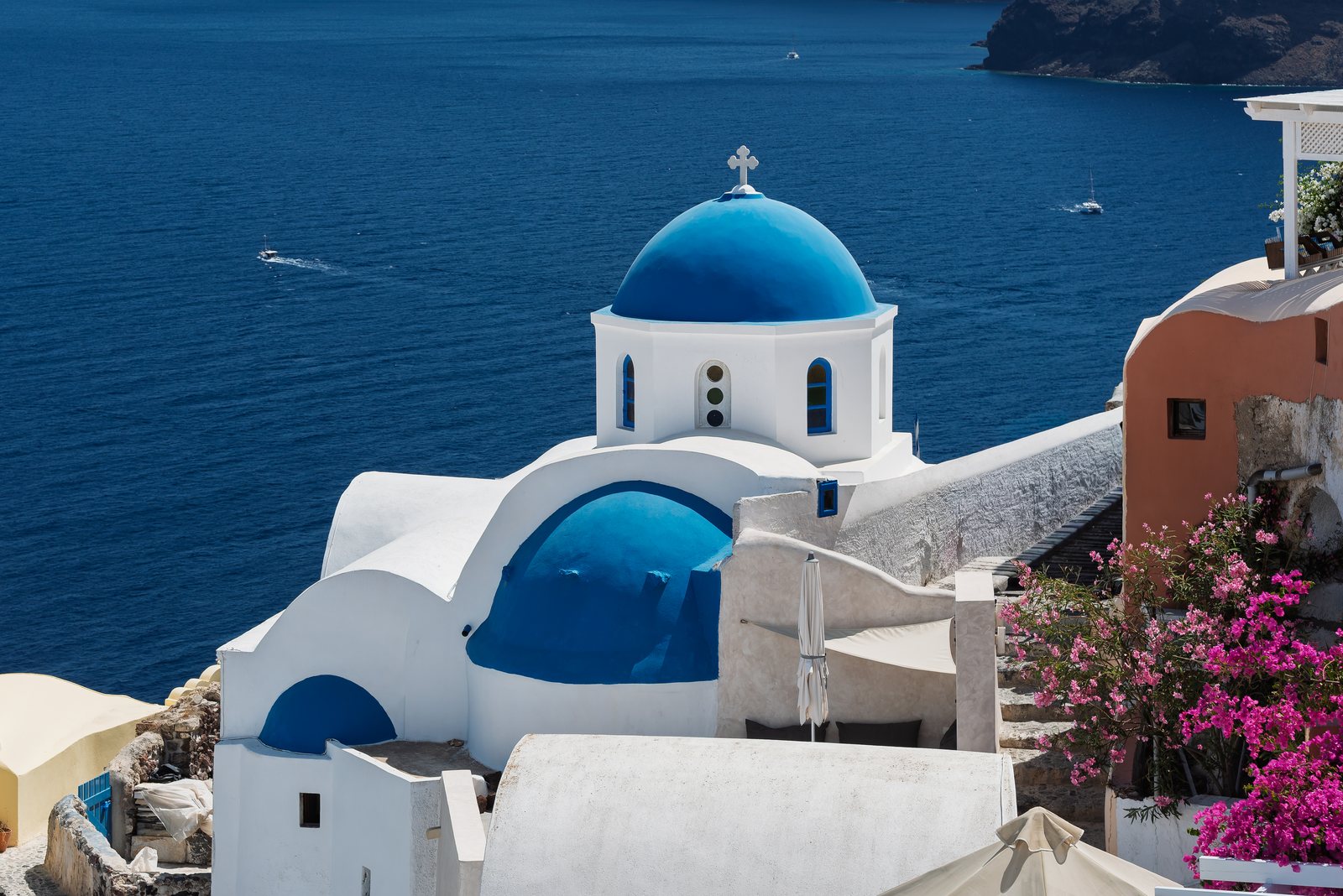
Santorini is the island most visitors imagine first. Its white villages cling to the rim of a sunken volcano, and blue church domes shine above the sea. Mykonos answers with a row of old windmills on a hill above the water. They once ground grain for bread, and today they frame the sunset.
A short boat ride from Mykonos lands at Delos, a sacred island in ancient times. Myth says Apollo and Artemis were born there, and copies of its marble lions still stand over the ruins. On Milos, boats slip into sea caves where pirates once hid, and the water glows green and blue.
On Naxos, the old town climbs a hill to a Venetian castle, through lanes too narrow for cars. A giant marble doorway from an unfinished temple stands by the port. Paros has Naoussa, a fishing harbour where small boats bob beside tavernas. Octopus hangs out to dry, and the evening light turns everything gold.
What kind of Greece tours reach the Cyclades?
Private Greece tours with a driver-guide or a skipper suit couples and families who want their own pace. One price covers the whole party, so the cost per person drops as more friends join. Boat cruises with swim stops work well for anyone who loves the sea and wants a relaxing day.
Full-day trips from Athens by coach link the ride to the port with a ferry, which helps visitors short on time. Snorkel and beginner scuba trips suit older children, teenagers and first-timers, with a calm teacher close by in the water. Teenagers often call it the highlight of the holiday.
Cooking classes and wine tastings fit couples and food lovers who want a leisurely afternoon. Guests learn island recipes from a local cook, then taste Santorini wine from vines that grow low against the wind.
Which comforts are part of Greece tours in the Cyclades?
Most boat days include lunch or a BBQ meal cooked on deck, often fresh fish, grilled meat and Greek salad. Drinks come with it, and on some cruises they are unlimited. That matters on a hot day at sea, since nobody has to plan food or carry heavy bags.
Good Greece tours here bring a licensed or local guide who shares myths and everyday island life. Snorkel gear sits ready on board, so families do not need to pack masks. Swim stops let everyone cool off in clear coves that cars cannot reach.
Free time to explore matters as much, since it gives couples a peaceful walk and lets friends shop or find a café. Wine tastings round off many days with local cheese and a view of the sea, turning a packed tour into a holiday.
What should you remember in the Cyclades?
Book boat days early in summer, when seats fill fast, and pick morning trips that beat the sun and crowds. The meltemi, a strong summer wind, can make the sea choppy, so anyone who gets seasick should plan ahead. Santorini sunsets draw huge crowds, so reach the viewpoints well before dusk.
Pack a hat, reef-safe sunscreen, a light shirt, a towel and water shoes for pebbly beaches and rocky swim spots. Carry some cash for small cafés, and keep phones in a dry bag on deck. Sandals with good grip make steep village lanes far easier, and a light layer helps on windy evenings.
Why Book Greece Tours In The Classical Sites?
Greece tours make the classical sites come alive, because a guide turns broken stones into stories of gods, kings and games. Transport and entry are handled, so travelers can simply look and listen. Many sites lie far apart on winding mountain roads, so a planned route saves energy for the ruins themselves.
What draws travelers to the classical sites?
Delphi sits high on the slopes of Mount Parnassus. Ancient Greeks called it the centre of the world and came to ask the oracle, a priestess who spoke for Apollo. Further north, the monasteries of Meteora perch on tall rock pillars, which monks once reached in nets pulled by ropes.
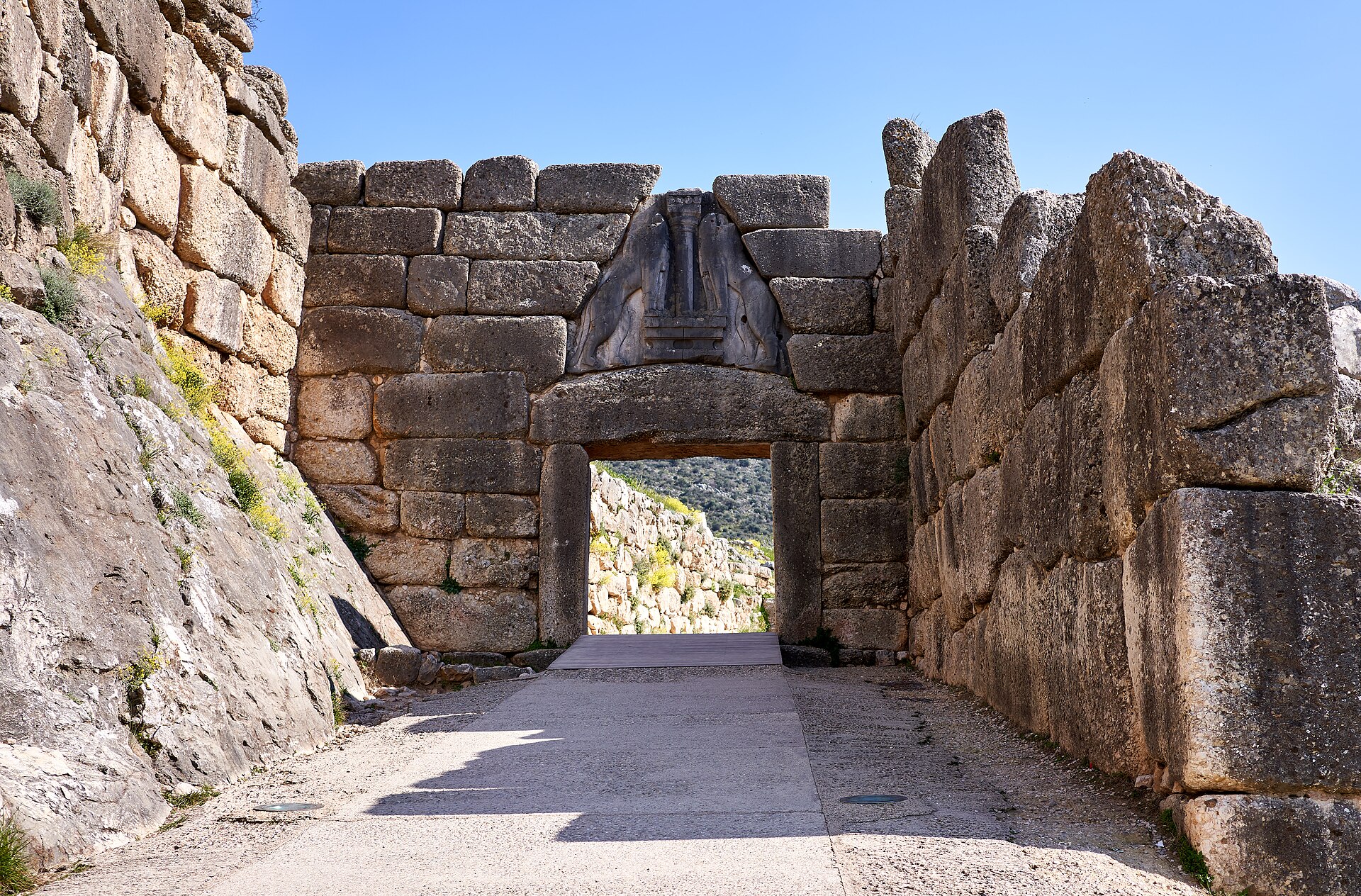
Mycenae was the fortress of King Agamemnon in Greek legend. Travelers walk through the Lion Gate, past walls so huge that later Greeks said giants built them. At Epidaurus, the ancient theatre carries sound so well that a whisper on stage reaches the top seats. The site was holy to Asclepius, the god of healing.
Nafplio, a harbour town with Venetian lanes, once served as the capital of modern Greece. A tiny island castle guards its bay. Ancient Olympia is where the Olympic Games began, and the flame is still lit there. Coaches from Athens often pause at the Corinth Canal, a narrow cut through solid rock.
What kind of Greece tours reach the classical sites?
Full-day trips from Athens by coach are the easiest way to see Delphi, Mycenae or Epidaurus without driving. They suit first-time visitors and families who like a clear plan. Shared Greece tours with only a few guests suit curious travelers who want time to ask the guide questions.
Guided walking tours lead visitors through Nafplio or around Olympia at a relaxed pace. Entry tickets on their own suit independent travelers who rent a car and want to explore at their own speed. This choice suits photographers and history fans who like to linger.
Multi-day tours with hotel nights link Delphi, Meteora and Olympia into one loop. They suit couples, older travelers and anyone who would rather sleep near the ruins than rush back to the capital. Evenings stay free for dinner in a quiet square.
Which comforts are part of Greece tours in the classical sites?
A licensed guide is the biggest comfort that Greece tours bring to these ruins. In Greece, licensed guides study for years, and they know how to explain a temple in plain words. Local guides add family stories, village food tips and the best spot for a photograph.
Entry tickets come included on most guided days. That means less time in line at the gate, and no searching for the right counter. Families with young children feel the difference most, since waiting in the sun exhausts everyone quickly. At Delphi, the ticket also covers the site museum.
Hotel nights on multi-day trips are often spent in Delphi, Kalambaka or Nafplio. Waking up close to the sites lets travelers reach Meteora or Mycenae before the day crowds arrive. The bags stay on the coach, so nobody drags luggage around.
What should you remember in the classical sites?
Start early, because the ruins have little shade and the midday sun is fierce. Spring and autumn bring softer light, wild flowers and fewer people. Meteora’s monasteries ask for covered shoulders, long trousers for men and a long skirt for women. Some lend wraps at the door, but a scarf in the bag saves time.
Wear sturdy shoes with good grip, as old marble gets slippery and paths are uneven. Bring a refillable water bottle, a hat and sunscreen. A light snack helps on long coach days, and a power bank keeps the camera going. Some sites close early in winter, so check opening hours ahead.
How Do Greece Tours In Athens Work?
Greece tours in Athens usually start with a morning walk up the Acropolis, then move on to museums, food or the coast. A licensed guide leads, and meals or tastings often follow. Many visitors pair a morning among the ruins with an afternoon swim or a sunset by the sea.
What draws travelers to Athens?
The Acropolis, whose name means high city, rises above the rooftops of Athens. On top stands the Parthenon, a marble temple to Athena, the goddess who gave the city its name in myth. Next to it, the Erechtheion has a porch held up by stone maidens, called the Caryatids, instead of columns.
Below the hill, the Acropolis Museum has glass floors that show an ancient neighbourhood under visitors’ feet. It tops many lists of must-see museums in Athens. The Ancient Agora was the city’s market and meeting place, where Socrates once talked with young people. The giant columns of the Temple of Olympian Zeus stand nearby.
Plaka and Monastiraki fill the old streets with tavernas, small shops and a lively flea market. For the best view, travelers ride or climb up Lycabettus Hill at sunset. On the coast, the Temple of Poseidon crowns the cliffs of Cape Sounion. Poseidon ruled the sea in myth, and sunsets there glow gold.
What kind of Greece tours reach Athens?
Guided walking tours are the classic start in Athens. They suit first-time visitors and solo travelers, who also meet new people on the way. Private Greece tours with a driver-guide suit families with small children or older parents, and one price covers the whole party.
A private skipper can also take couples or friends along the Athens Riviera for the day. Shared boat cruises with swim stops head to nearby islands such as Aegina, Hydra or Poros, a welcome escape from city heat. Friends and families love the mix of sightseeing and swimming.
Cooking classes and wine tastings suit couples, friends and curious cooks. Guests shop at a market, cook dishes such as moussaka or stuffed vine leaves, and then share the meal together. Many classes take place in a family home, which makes the evening feel personal.
Which comforts are part of Greece tours in Athens?
A licensed guide makes the Acropolis far easier to follow. Guides skip the dry facts and tell the stories behind each temple, which keeps teenagers and children listening. Local guides also point out the best tavernas for after the tour and know the quickest way through the crowds.
Boat days from Athens often include lunch or a BBQ meal on deck, plus drinks. On some Greece tours by sea, the drinks are unlimited, which keeps costs simple. Swim stops in clear bays let everyone cool down after a hot morning in the city.
Wine tastings bring a calmer close to a busy day. Guests try wines from Attica, the region around the capital, often with bread, olive oil and cheese. It is a relaxed way for couples and friends to talk over what they saw.
What should you remember in Athens?
Reach the Acropolis gate at opening time or late in the day, when the heat eases and the queues shrink. Summer afternoons in Athens feel like an oven. Plan museum visits for the hottest hours, since they offer shade and cool air. Early evening suits Lycabettus and Plaka.
The marble paths on the Acropolis are polished and slippery, so wear shoes with good grip. Bring water, a hat and sunscreen, and keep bags light for the steep climb. A small fan or a damp scarf helps on the hottest days. Guard wallets in crowded spots such as the metro and Monastiraki.
What Makes Greece Tours In Crete, Rhodes And Corfu Worth Booking?
Greece tours on Crete, Rhodes and Corfu are worth booking because they mix history with the sea. One day brings old palaces, the next a boat to a hidden beach. Each island has its own dishes, its own wine and its own warm way of welcoming guests.
What draws travelers to Crete, Rhodes and Corfu?
On Crete, the palace of Knossos belonged to the Minoans, an early people who ruled the sea before classical Greece. Legend links the palace to the Minotaur, a monster with a bull’s head, kept in a maze. Minoan wall paintings fill the museum in nearby Heraklion, the island’s busy capital.
In the west of Crete, Chania wraps colourful houses and a Venetian lighthouse around its old port. Boats from the nearby coast reach Balos, a lagoon of shallow turquoise water and pale pink sand. On Rhodes, the Street of the Knights leads through a walled town where crusader knights once lived.
Also on Rhodes, Lindos tops its white village with an acropolis, a fortified hilltop with a temple to Athena. On Corfu, the Old Fortress and the New Fortress guard a town of pastel streets. Further south, boats glide into the Blue Caves of Zakynthos, where sunlight turns the water a glowing blue.
What kind of Greece tours reach Crete, Rhodes and Corfu?
Boat cruises with swim stops are the favourite here, from Balos on Crete to the Blue Caves. They suit families and friends who want beach time without a long walk. Private Greece tours with a skipper or a driver-guide suit couples, and one price covers the whole party.
Guided walking tours bring the old towns of Rhodes, Chania and Corfu to life for first-time visitors. Entry tickets suit travelers who want to explore Knossos or Lindos at their own pace. Full-day trips by coach work much like the ones from Athens, with a set route and hotel pickup.
Cooking classes and wine tastings appeal to anyone who travels for flavour. On Crete, guests learn to make dakos, a barley rusk topped with tomato and cheese, in a village kitchen. Rhodes has village wineries that welcome guests for tastings.
Which comforts are part of Greece tours in Crete, Rhodes and Corfu?
Boat days on these islands often include lunch or a BBQ meal, cooked fresh on board or served at a beach taverna. Drinks come too, and some cruises keep them unlimited, so families relax with snacks and cold water close at hand.
Swim stops are the highlight for many, whether in Balos or off the Corfu coast. On land, the best Greece tours include a licensed or local guide and entry tickets. Together, they save time at Knossos and Lindos, where lines grow long in summer.
A good guide fills the empty palace rooms with kings, myths and daily life, so children stay curious. Wine tastings end many days on a calm note, with Cretan or Corfiot wines, olives and fresh bread. On Corfu, tastings often include olive oil from ancient groves.
What should you remember in Crete, Rhodes and Corfu?
Crete is a large island, so choose a base close to the sights travelers most want to visit. Morning boats to Balos and the Blue Caves meet calmer water. Book them early in high summer, when seats sell out. The old towns of Rhodes and Corfu feel best in the cool of the evening.
Pack swimwear, a towel, sunscreen and water shoes for rocky beaches. Bring a light layer for windy boat rides and sturdy shoes for the stone streets of Lindos. A small backpack keeps hands free on boarding ramps and steep paths. Carry cash for beach sunbeds and village cafés. Shade is scarce at Lindos.
Conclusion: Top Greece Tours Across The Country, Planned Well
From Santorini’s cliff villages to Corfu’s castles, Greece tours turn a long list of sights into easy days. Couples, families, friends and solo visitors can mix boat days, museum mornings and harbour evenings in their own style. The secret is to match every region with the right kind of tour.
Timing shapes every trip, so check the best time to visit Greece before booking. Then choose Greece tours that bring a good guide, meals and time to wander. Pack light, reserve early and leave room for surprises. With that plan, every traveler goes home with sun, stories and a wish to return.
Frequently Asked Questions About Top Greece Tours Across The Country
Can Greece tours be private?
Yes, many Greece tours run as private trips with a driver-guide or a skipper, and one price covers the whole party. Couples and families like the freedom to set the pace and choose the stops. A private skipper can also plan a sea day around quiet coves.
Can Greece tours mix islands and ancient sites?
They can, and many travelers plan their whole trip that way. A popular route pairs Athens and the classical sites with island time on Santorini, Crete or Rhodes. Ferries and short flights link the mainland to the islands, so the switch from ruins to beaches feels easy.
Which month suits Greece tours best?
May and September suit most Greece tours best, with gentle sun, softer light and fewer crowds. In September, the sea is still warm enough for long swim stops. June is lovely too, while July and August bring fierce heat and the busiest sites of the year.
Are Greece tours good for couples?
Yes, they suit couples very well, from honeymooners to longtime partners. Boat cruises, wine tastings and cooking classes create memorable shared moments, and private Greece tours add quiet time together. Santorini at sunset, the lanes of Nafplio and the old town of Corfu all feel romantic.
Which season is quietest for Greece tours?
Late autumn and winter are the quietest seasons for travel in Greece. Athens, Delphi and Meteora stay open and feel calm, though many island boats stop running. Early spring brings green hills and wild flowers, and the sites stay peaceful before the crowds arrive.
How do you pick the right Greece tours?
Start with what each traveler loves most: history, beaches, food, wine or a bit of everything. Then check what the tour includes, such as a licensed guide, meals, entry tickets or swim stops. Pick Greece tours that leave free time, since the most memorable moments often arrive unplanned.
How early should you book Greece tours?
Book Greece tours for summer and Easter a few months ahead, while spring and autumn trips need just a few weeks. Day trips during the quieter months can usually wait until travelers arrive and see the weather. Those who first choose the right itinerary find every later booking much simpler.
Book the busy season well ahead
Summer is the peak season in Greece, and July and August bring the biggest crowds to every popular spot. Well-known Greece tours, boat trips and island hotels sell out early during those weeks. Booking ahead secures the best departure times, the calmest seats and a wider choice of guides.
Greek Easter is the biggest holiday of the year, and many Greek families travel home to celebrate together. Ferries and hotels fill quickly around that week, so early plans really pay off. The same applies to the larger events in this list of seasonal events in Greece.
Island plans need extra care, because ferry seats run short during the busiest summer weeks. These ferry booking tips explain how to find good routes, comfortable seats and sensible connections. Booking the ferry and the Greece tours together keeps both parts on the same daily plan.
Leave room for last-minute plans
Not everything needs early booking, especially outside the summer rush. In spring and autumn, many Greece tours still have open spots until a few days before departure. Walking tours, cooking classes and short boat trips usually fit in comfortably after arrival.
A flexible plan also helps when the weather suddenly changes. Strong summer winds, called the meltemi, can stop small boats from sailing on some days. Keeping a spare day lets travelers move a cancelled boat trip without stress or extra cost.
A spare day also gives tired travelers time to rest between bigger Greece tours. Slow mornings, a swim or a long lunch make the next outing feel fresh rather than rushed.
How do couples pick Greece tours?
Couples pick Greece tours by matching the pace, the sights and the free time to what both people truly enjoy. A short, honest conversation before booking saves disappointment later in the trip. Private tours suit couples who want a slower and more personal experience.
Match the pace to both people
One partner may love ancient ruins while the other dreams of quiet beaches and long swims. Shared Greece tours usually follow a fixed plan, while private tours bend around the couple’s wishes. A sensible mix of both styles keeps everyone happy and rested.
Early starts beat the heat and the crowds at the biggest archaeological sites. Afternoons work well for rest, a swim or a slow lunch by the water. Evening Greece tours, such as food walks through old neighborhoods, then end the day on a relaxed note.
Couples should also decide how much they want to chat with other travelers. Shared Greece tours bring new faces and easy conversations along the way. Private trips offer quiet time together, which many couples value on an anniversary or honeymoon.
Add local moments to the plan
The best memories often come from small, unplanned local moments rather than famous sights. Couples can learn about local Greek traditions such as name day parties and village dances. A name day is a saint’s day that Greeks celebrate much like a birthday.
Summer brings the panigyri, a village feast with live music, homemade food and dancing until late. This guide to Greek festivals through the year shows what happens in each season. Joining one turns ordinary Greece tours into a genuine local evening that couples remember.
A few simple words also go a long way with local people. Learning some essential Greek phrases, such as hello and thank you, earns warm smiles everywhere. Locals often answer with extra help, a tip about a quiet beach or a free dessert.
How do you manage tickets for Greece tours?
Manage tickets for Greece tours by keeping every booking in one place, checking what each tour includes and carrying photo ID. Clear records prevent mix-ups at busy entrance gates and crowded ports. They also make it easy to spot gaps in the daily plan.
Keep site and ferry tickets in order
Busy sites such as the Acropolis now sell entry by time slot to control the crowds. A ticket for the wrong slot can mean a long wait or even a missed entry. Travelers should compare the time on each ticket with their Greece tours schedule.
Ferry tickets follow their own rules, which vary from one company to another. Many lines send electronic tickets, while others still ask travelers to collect paper tickets at the port. These ferry travel tips explain boarding, luggage and why arriving early matters.
A simple folder on the phone keeps every booking together and easy to find. Saving screenshots helps when the signal drops on a remote island or a mountain road. A printed copy of the most important bookings makes a smart backup.
Some visitors, such as students, qualify for reduced entry at many sites and museums. Carrying the right card at every gate avoids paying the full ticket by mistake.
Know who handles which ticket
Some Greece tours include entry tickets, while others only cover the guide and the transport. Reading the details before booking shows exactly what is already paid and what is not. That way, nobody reaches an entrance gate without the right ticket.
Inside Greek archaeological sites and museums, only state-licensed guides may lead tours. These guides know the ticket rules, the quieter entrances and the best times to visit. Many Greece tours with a licensed guide also arrange the tickets ahead of time.
Anyone booking for a wedding party or a large family trip faces extra ticket work. This complete guide for trip organizers covers bookings, timing and who does what. The same steps help anyone who books Greece tours for several people at once.
How do you budget for Greece tours?
Budget for Greece tours by listing big costs first, like travel, rooms and key tours, then adding room for extras. The season and the choice of islands change the total more than anything else. A clear plan stops small daily costs from quietly adding up.
Know what drives the cost up
Summer is the most expensive time for Greece tours, hotel rooms and ferry tickets. Famous islands such as Mykonos and Santorini cost more than quieter islands nearby. Spring and autumn bring lower rates, calmer sites and pleasant weather for walking.
Private Greece tours cost more than shared ones, because the guide works for just one party all day. Boat trips, wine tastings and sunset cruises also sit at the higher end. Travelers should choose the extras that matter most and happily skip the rest.
Fast ferries cost more than conventional ferries but save valuable time at sea. Slower ferries offer lower fares and open decks with wide sea views. The right choice depends on how much time the trip allows.
Save money without missing out
Local buses offer a cheap way to reach towns, beaches and many smaller sites. This guide to public transport across Greece explains how buses, trains and the Athens metro work. Mixing self-guided days with Greece tours keeps the overall total lower.
Food in Greece can be inexpensive and still excellent. Family-run tavernas and neighborhood bakeries cost far less than seafront restaurants in tourist areas. This list of Greek food to try on tour points to dishes that are worth ordering.
Small choices add up across a long trip, and the savings can pay for extra Greece tours. These simple habits help most travelers spend less.
- Travel in spring or autumn for lower rates.
- Pick shared tours for everyday sightseeing.
- Eat lunch where local workers eat.
- Choose slower ferries when time allows.
- Walk around compact old towns instead of taking taxis.
Families with young children can often save on Greece tours, because many tours charge children less. These family-friendly travel tips also help with rooms, meals and pacing. Cash stays handy in small villages, where some shops and kiosks still prefer it.
Which Greece tours suit adventurous travelers?
Adventurous travelers enjoy Greece tours built around hiking, sea kayaking, rafting and climbing, with real effort rewarded by wild views. Greece has far more mountains than most visitors expect, and its long coastline invites active days on the water. These trips suit fit teens, couples, friends and solo travelers alike.
Hiking trails and mountain days
Hiking tours lead through gorges, pine forests and old stone paths that once linked mountain villages. The Samaria Gorge in Crete and the Vikos Gorge in the north rank among the best-known walks. This list of top hiking trails in Greece shows many more routes.
Mount Olympus, the highest mountain in Greece, draws hikers who want a serious challenge. Ancient Greeks believed their gods lived on its cloudy peaks. Guided Greece tours on the mountain handle the route, the mountain huts and the safety gear.
Good boots, sun protection and plenty of water matter on every trail. Spring and autumn offer the best hiking weather, because summer heat turns long climbs into hard work. Early starts help on every active day, because the morning air stays cool and fresh.
Adventure on water and rock
The sea opens up a different kind of adventure for active travelers. Sea kayaking Greece tours paddle past cliffs, sea caves and beaches that cars cannot reach. Windsurfing and kitesurfing thrive on islands where the summer winds blow strong.
Inland rivers offer rafting and canyoning, which means following a stream down a canyon by walking, swimming and sliding. The giant rock towers of Meteora attract climbers from around the world. This guide to adventure activities in Greece covers options by land, sea and air.
Most active Greece tours supply the main gear and a trained leader. Travelers usually choose from these popular options.
- Sea kayaking along rocky coasts
- Rafting on cold mountain rivers
- Canyoning through narrow gorges
- Mountain biking on village roads
- Snorkeling and diving in clear bays
Safety comes first on any adventure, whether on a mountain trail or out at sea. Reliable Greece tours brief guests before each activity and check the weather before heading out. Beginners should say so when booking, so guides can adjust the pace.
Which Greece tours suit laid-back travelers?
Laid-back travelers enjoy Greece tours with late starts, short drives, long swims and plenty of free time in shady village squares. These trips trade a packed schedule for slow meals and good views. They suit anyone who wants a real holiday rather than a race.
Beach days and boat trips
Boat trips with swim stops rank among the most relaxing Greece tours. The boat does the work, while guests swim, snorkel and eat a simple lunch on deck. This guide to the top beaches in Greece helps travelers pick the right coast.
Many coastal Greece tours stop at beaches that only boats can reach. Those quiet coves feel calmer than busy town beaches, even in high summer. Shaded seats, cold drinks and short walks keep the whole day easy.
Evenings bring a gentle finale to slow days on the coast. Plenty of sunset cruises and hilltop walks end with the sky turning orange over the sea. This list of the best sunset spots in Greece points to the finest viewpoints.
Slow villages, food and wine
Village tours suit travelers who like to wander without a fixed plan. Whitewashed lanes, small churches and locals playing backgammon at the cafe set a slow rhythm. These traditional Greek villages show daily life away from the crowds.
Food and wine Greece tours fit a laid-back style perfectly. Guests visit family wineries, taste olive oil and learn to cook simple Greek dishes. Each stop includes time to sit, talk and enjoy the view across vineyards and olive groves.
Half-day Greece tours work best for this travel style. A morning outing leaves the afternoon free for a nap, a book or another swim. Nobody feels rushed, and the whole holiday stays restful.
Some Greece tours also visit natural hot springs, where warm mineral water flows into open pools. A long soak after a gentle walk feels wonderful, and these stops suit every age.
Which Greece tours suit curious travelers?
Curious travelers enjoy Greece tours led by expert guides who explain history, art and buildings in plain words, story by story. These tours turn old stones and quiet halls into living stories about real people. A quick read of Greek history you should know makes every visit richer.
History and ancient sites
Greek history stretches back thousands of years, from early palace builders to the modern state. Classical Greece, the golden age of Athens, gave the world drama, philosophy and early democracy. Democracy simply means rule by the people, and Athens was one of the first places to try it.
Inside Greek archaeological sites and museums, only state-licensed guides may lead tours. These guides study hard for their licence and know each site in fine detail. Their stories help curious travelers see how people once lived, worshipped and traded.
Byzantine churches also reward a curious eye, especially in Thessaloniki and on many islands. The Byzantine Empire was the Greek-speaking eastern half of the Roman world, and it lasted for centuries. Its churches glow with gold mosaics, which are pictures made from tiny pieces of stone and glass.
Museums and architecture
Museum Greece tours suit travelers who love detail and want to see the real objects behind the stories. The National Archaeological Museum in Athens holds treasures from every era of Greek history. This guide to Greek art and museums helps visitors plan which collections to see.
Architecture fans learn to read buildings like a book. Doric columns are plain and sturdy, while Ionic columns have curling, scroll-shaped tops. This explainer on famous Greek architecture shows how these styles shaped buildings around the world.
The Acropolis Museum in Athens shows sculptures from the Parthenon in bright, modern halls. Large windows look straight up at the ancient temple itself. Many curious travelers pair Greece tours of the hill with a museum visit on the same day.
Curious travelers also gain a lot from asking questions during Greece tours. Good guides welcome them and often share stories that never appear in guidebooks. A small notebook helps capture names, places and ideas for later.
Which Greece tours suit sociable travelers?
Sociable travelers enjoy shared Greece tours such as sailing trips, cooking classes, food walks and evening outings that bring strangers together. Solo travelers find these trips an easy way to meet people. Couples, families and friends also enjoy the lively mood.
Sailing, food and shared tables
Shared sailing Greece tours mix swimming, island stops and long talks on deck. Guests often share meals and stories, and new friendships form fast. This guide to sailing holidays in Greece explains how different boat trips work.
Cooking classes and food walks bring people around one table. Guests chop, taste and laugh together while a local cook explains each dish. Greek meals are made for sharing, with plates placed in the middle for everyone.
Evening Greece tours suit sociable travelers too, since the cooler hours bring everyone outside. Walking tours of old town centers often end at a taverna with live music. Some villages hold dance nights where visitors are welcome to join the circle.
Shared day trips and photo walks
Shared day trips to famous ruins give easy chances to chat with fellow travelers. Walking side by side, people swap tips about beaches, food and ferries. This practical guide to ancient Greek ruins helps visitors decide what to see.
Photo walks attract sociable travelers who also love a good picture. A guide leads the way to the best angles, and guests compare shots along the route. These photography tips for Greece tours help anyone return home with better photos.
Sociable travelers should look for Greece tours with shared meals or free time at the end. Those relaxed moments turn a pleasant day into lasting friendships. Many travelers keep in touch long after the trip ends and the photos are shared.
Wine tastings and festival nights also suit sociable travelers. Greek Easter and summer village feasts fill the streets with music, food and friendly crowds. Visitors who join these Greece tours often end the night dancing with locals.
Which places do Greece tours visit?
Greece tours visit famous islands, classical mainland sites and large islands, mixing beaches, ancient ruins, mountain monasteries and lively old towns. Each region offers something different, so most travelers combine several areas in one trip. The lists below show where these trips go and why each stop matters.
Islands
The Cyclades islands in the Aegean Sea are the classic picture of Greece, with white houses and blue domes. Greece tours here mix boat trips, beach time and slow village walks. Regular ferries link these islands, which makes it easy to visit more than one in a single trip.
- Santorini, known for volcanic cliffs, white villages and famous sunsets
- Mykonos, known for windmills, Little Venice and lively beach life
- Paros, known for fishing harbors, marble lanes and golden beaches
- Milos, known for white Sarakiniko rocks, sea caves and the Venus de Milo
- Ios, known for golden beaches, a hilltop old town and lively nights
Mainland
Mainland Greece tours focus on history, mountains and the stories behind famous ruins. Many stops sit within easy reach of Athens or on a loop around the Peloponnese, the large peninsula in the south. Licensed guides bring these sites to life with clear, simple stories about the people who once lived there.
- Athens, home of the Acropolis, the Parthenon temple and old Plaka
- Meteora, famous for monasteries built on top of giant rock pillars
- Olympia, the birthplace of the ancient Olympic Games and their sports
- Mycenae, known for the Lion Gate and the legendary palace of Agamemnon
- Epidaurus, known for an ancient theater with clear natural sound
Large islands
The larger islands feel like small countries, with mountains, farms, towns and long coastlines. Greece tours on these islands often cover several days, since there is so much to see. Hiring a guide for a day helps visitors find the best spots without long searches or wrong turns on mountain roads.
- Crete, known for the palace of Knossos, deep gorges and mountain villages
- Rhodes, known for a walled Old Town built by knights long ago
- Kefalonia, known for Myrtos Beach, the Melissani cave lake and green mountains
- Zakynthos, known for Shipwreck Beach, blue sea caves and nesting sea turtles
How do you plan Greece tours over ten days?
Plan Greece tours over ten days by starting in Athens, adding mainland sites, then ending with a few slow island days. This order works because the busy sightseeing comes first and the restful beach days come last. It also cuts down on backtracking, which saves both time and money.
Start in Athens
Athens makes the natural starting point, since most international flights land there. The first few days cover the Acropolis, the Acropolis Museum and the old lanes of Plaka. Early morning Greece tours of the Acropolis beat the heat and the biggest crowds.
An evening food walk adds flavor to the city stay. Guides lead visitors to small tavernas, bakeries and markets that locals use every day. Day trips from Athens, such as the cliff-top Temple of Poseidon at Cape Sounion, round out the city days.
Travelers who prefer to plan alone can still mix in guided Greece tours for the big sites. This guide to self-guided itinerary planning explains how to balance free days and booked tours. A clear plan for Athens sets the tone for the rest of the trip.
Athens also rewards slow wandering between Greece tours. The Ancient Agora, the old marketplace where Athenians met to trade and debate, sits right below the Acropolis. Hills such as Lycabettus offer wide views over the whole city at dusk.
Add the classical mainland
The middle days suit the mainland, where many of the best-known ancient sites stand. Delphi, once believed to be the center of the world, is a popular day trip from Athens. Ancient Greeks traveled there to ask the oracle, a priestess who was thought to speak for the god Apollo.
A loop through the Peloponnese links Mycenae, Epidaurus and Olympia in one smooth route. Many Greece tours add a night in Nafplio, a pretty seaside town with Venetian walls. Venetian means built when Venice, the Italian sea power, ruled the area.
Meteora works as an overnight trip from Athens or as a stop on the way north. Its monasteries sit on rock pillars, and visitors should cover shoulders and knees inside. Sunset Greece tours at Meteora show the rocks glowing gold and pink.
Driving times between mainland sites can be long, so guided Greece tours with a driver save energy. Travelers can rest, read or watch the olive groves roll past. Each evening then ends in a new town with fresh food to try.
Finish on the islands
The last days belong to the islands, where the pace slows right down. Ferries leave from Piraeus, the main port of Athens, to the Cyclades and beyond. Picking just a couple of islands keeps travel time short and beach time long.
Santorini and Mykonos make a classic pair for first-time visitors who want famous views and lively evenings. This Athens, Santorini and Mykonos itinerary shows how the route fits a shorter trip. Island Greece tours then add boat trips, wine tastings and village walks.
Travelers who want more variety can hop between nearby islands such as Paros and Naxos. These Greek island hopping tips cover ferry routes, timing and luggage. Spending the final night in Athens makes the flight home stress-free.
Island Greece tours work best with a little slack in the schedule. Strong winds sometimes delay ferries, especially in high summer. A relaxed final plan turns any delay into one more swim instead of a missed flight.
More questions about Greece tours
Travelers often ask about shopping, clothes, water, free time, shoes and hotel pickups before they book Greece tours across the country. The short answers below cover each point, so planning feels simple from the start.
Do Greece tours give time for shopping?
Many Greece tours leave short breaks in old towns, where visitors can buy olive oil, honey, ceramics, leather sandals and handmade jewelry. Travelers who want longer browsing should ask about free time before booking. Small family shops often offer better quality than stalls near the main sights.
What should you wear on Greece tours?
Light, breathable clothes, a sun hat and sunglasses suit warm days, plus a scarf or long layer for church and monastery visits. Churches and monasteries ask visitors to cover shoulders and knees, and some lend wraps at the door. A light jacket helps on windy boat trips and cool spring evenings.
Do Greece tours provide water?
Some Greece tours hand out bottled water, especially on boats and coaches, but every traveler should still carry a personal bottle. Shade is scarce at many open ruins, and summer heat brings fast thirst. Kiosks near big sites sell water, though queues there can be long at midday.
Can you add free time to Greece tours?
Yes, private tours adjust easily, and many longer trips already include free afternoons for swimming, shopping, napping or simply exploring alone. Travelers can also leave whole days unbooked between tours to rest or explore at their own pace. That space keeps energy high and leaves room for happy surprises.
Which shoes suit Greece tours?
Comfortable walking shoes with good grip suit most outings, because ancient sites have uneven stones and smooth, slippery marble paths. Sandals work well on beaches and boat days, but they slip easily on rocky paths. Hiking trips need proper boots with ankle support and thick socks.
Can friends join Greece tours from different hotels?
Yes, many tours collect guests from several hotels or use one central meeting point, so friends staying apart can still travel together. Each person should confirm the pickup spot and time when booking. Booking under one reservation keeps the seats side by side.
See more in Ygraeriokinisitalampekos:
- Είναι καλή επιλογή το LPG για το αυτοκίνητο σας;
- Γιατί να προτιμήσετε το φυσικό αέριο CNG για το αυτοκίνητο σας;
- Εγκατάσταση συστήματος υγραεριοκίνησης BRC Sequent32 σε Honda Crv 2.000cc
- Υγραεριοκίνηση το 2025 – Γιατί Είναι η Πιο Έξυπνη Επιλογή για Οδηγούς
- Αλλαγή Δεξαμενής Φυσικού Αερίου CNG Βάσει Νομοθεσίας Κάθε 20 Χρόνια